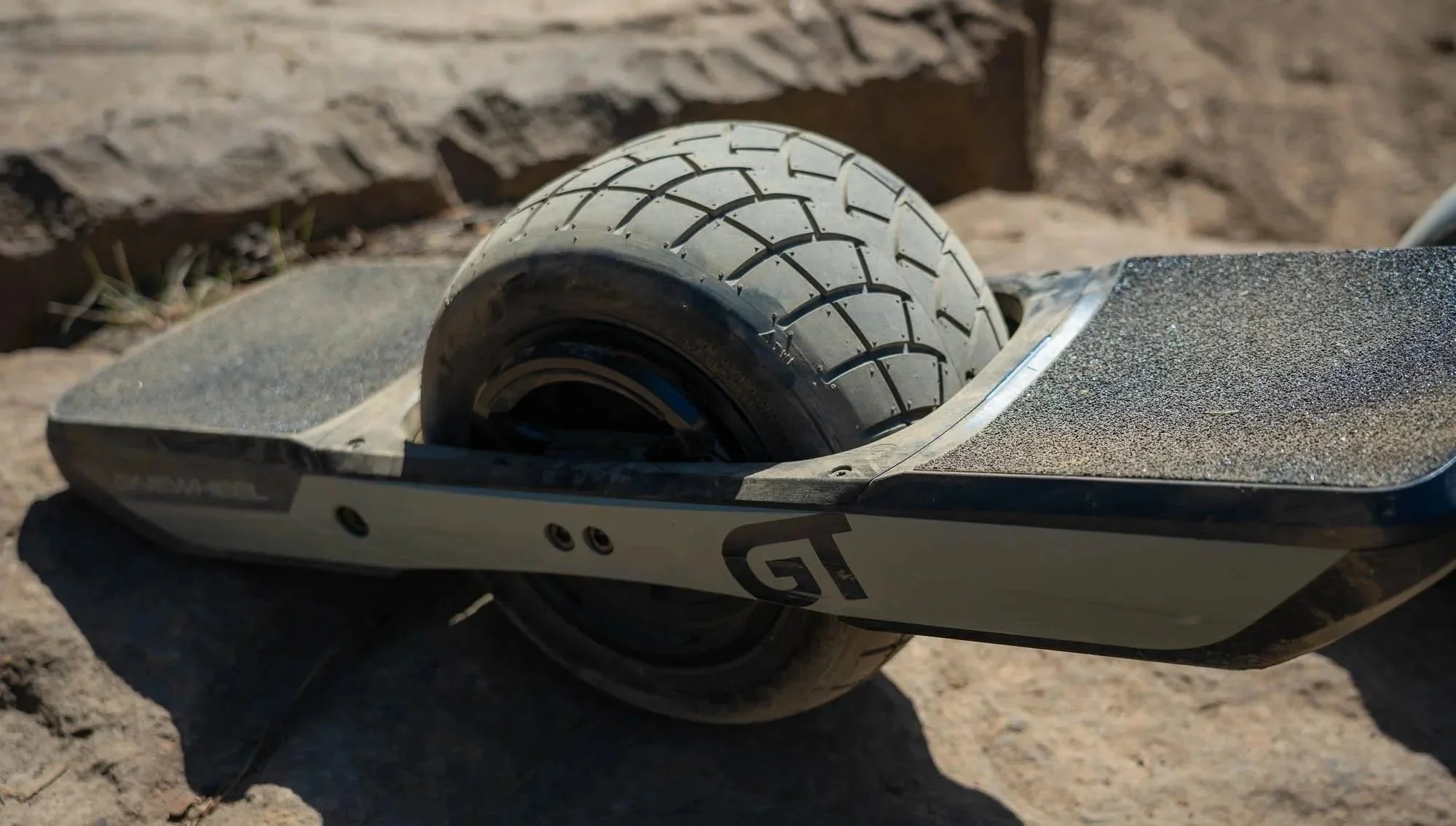
If you're shopping for a full-size Onewheel, there's a good chance you've narrowed your choices down to two boards: the Onewheel XR Classic and Onewheel GT.
If you're still exploring all the different models, check out our Complete Onewheel Buying Guide.
Both are excellent options. Both have a top speed of 20 mph. Both can handle pavement, dirt, and trails. And both offer considerably more range and versatility than the smaller Pint models.
But they don't ride exactly the same.
I'm Eric, owner of SUPrents. We've been an authorized Onewheel dealer since 2017, and one of the most common things I help customers with is figuring out which board makes the most sense for them.
The XR Classic and GT are a great example of why looking at specifications alone doesn't tell the whole story.
So let's break down the differences and help you decide which one is worth your money.
Onewheel XR Classic vs. GT: Quick Comparison
| Feature | XR Classic | GT |
|---|---|---|
| Top speed | 20 mph | 20 mph |
| Range | 17–24 miles | 20–32 miles |
| Weight | 30 lbs | 35 lbs |
| Tire | 6-inch Performance Treaded | Slick or Performance Treaded |
| Footpads | Lowboy | Concave |
| Rail options | Straight or Recurve | Standard GT rails |
| Standard charging | Approx. 140 min | Approx. 200 min |
| Best for | Comfort and maneuverability | Long rides and maximum range |
On paper, the GT's biggest advantage is obvious: range.
But there's a lot more to consider.
Ride Feel: The Biggest Difference
This is where I'd start if I were choosing between these two boards.
The XR Classic is lighter and has a lower, slimmer profile that gives it a different feel from the GT.
The XR Classic sits approximately a quarter-inch lower than the GT, and its 6-inch hub allows for more tire sidewall. That extra air volume helps absorb bumps and uneven pavement.
The result is a board designed to feel comfortable, responsive, and easy to maneuver.
TThe GT, on the other hand, is a larger, heavier board. It feels more planted and stable, while its concave footpads give you a little more leverage when carving.
Some riders love that planted, substantial feeling. Others prefer the lighter, lower profile of the XR Classic.
Neither is necessarily better. It's a matter of preference.
My take: If range weren't part of the equation, I'd lean towards the XR Classic. I prefer the feel of the lighter, lower and easier to maneuver and carve XR-C.
Range: The GT Wins
If you regularly take long rides, the GT has a clear advantage.
Future Motion lists the XR Classic with a range of 17–24 miles, compared with 20–32 miles for the GT.
That's a meaningful difference, especially if you like heading out for longer rides without worrying about your battery.
But remember, those are estimated ranges.
A heavier rider traveling uphill on dirt trails is going to get different results than a lighter rider cruising along smooth pavement.
Speed, tire pressure, temperature, wind, and riding style all affect battery life.
If your typical ride is five or ten miles, the XR Classic should offer plenty of range for many riders.
But if you're regularly riding 15, 20, or more miles, that extra GT battery capacity becomes much more attractive.
My take: Buy the GT if maximum range is one of your top priorities. That's its strongest selling point in this comparison. If you don’t ride long distances or, like me you get tired before the battery does, buy the board you like the ride feel of.
Weight: Five Pounds Makes a Difference
The XR Classic weighs approximately 30 pounds.
The GT weighs approximately 35 pounds.
Five pounds might not sound like much, but these aren't exactly lightweight toys to begin with.
You can feel those extra five pounds when you're riding, too. The XR Classic feels a little lighter on its feet, making it easier to carve and maneuver, while the GT feels a bit more solid and stable underneath you.
If you're carrying your Onewheel up stairs, loading it into your vehicle, or picking it up frequently, you'll appreciate the lighter XR Classic.
That doesn't mean the GT is difficult to manage, but it's noticeably heavier.
If you're primarily riding directly out of your garage and rarely carrying your board, this might not matter much.
If portability is important, I'd lean toward the XR Classic.
Tires: A Bigger Deal Than You Might Think
Tires can make a huge difference in how a Onewheel feels.
The XR Classic comes with a 6-inch Performance Treaded tire.
The GT is available with either a Slick or Performance Treaded tire.
XR Classic: 6-Inch Performance Treaded
One of the XR Classic's biggest advantages is its 6-inch hub and Performance Treaded tire.
The smaller hub allows for more tire sidewall, which helps the tire absorb bumps, cracks, and uneven surfaces.
That's useful whether you're cruising around town or exploring trails.
It's one of the reasons the XR Classic is such an appealing all-around board.
GT: Slick or Treaded
The GT gives you a choice.
If you spend most of your time riding pavement, a Slick tire can be a great option. It's designed for smooth carving and a responsive feel on hard surfaces.
If you ride dirt, gravel, or trails regularly, the Performance Treaded tire is the way to go.
A treaded tire provides additional traction on loose surfaces and gives you more confidence riding trails.
My take: I really like the XR Classic's 6-inch tire setup for everyday riding. I also like that the GT gives riders the option between slick and treaded. It makes it easy to customize the board for the type of riding you’re going to be doing.
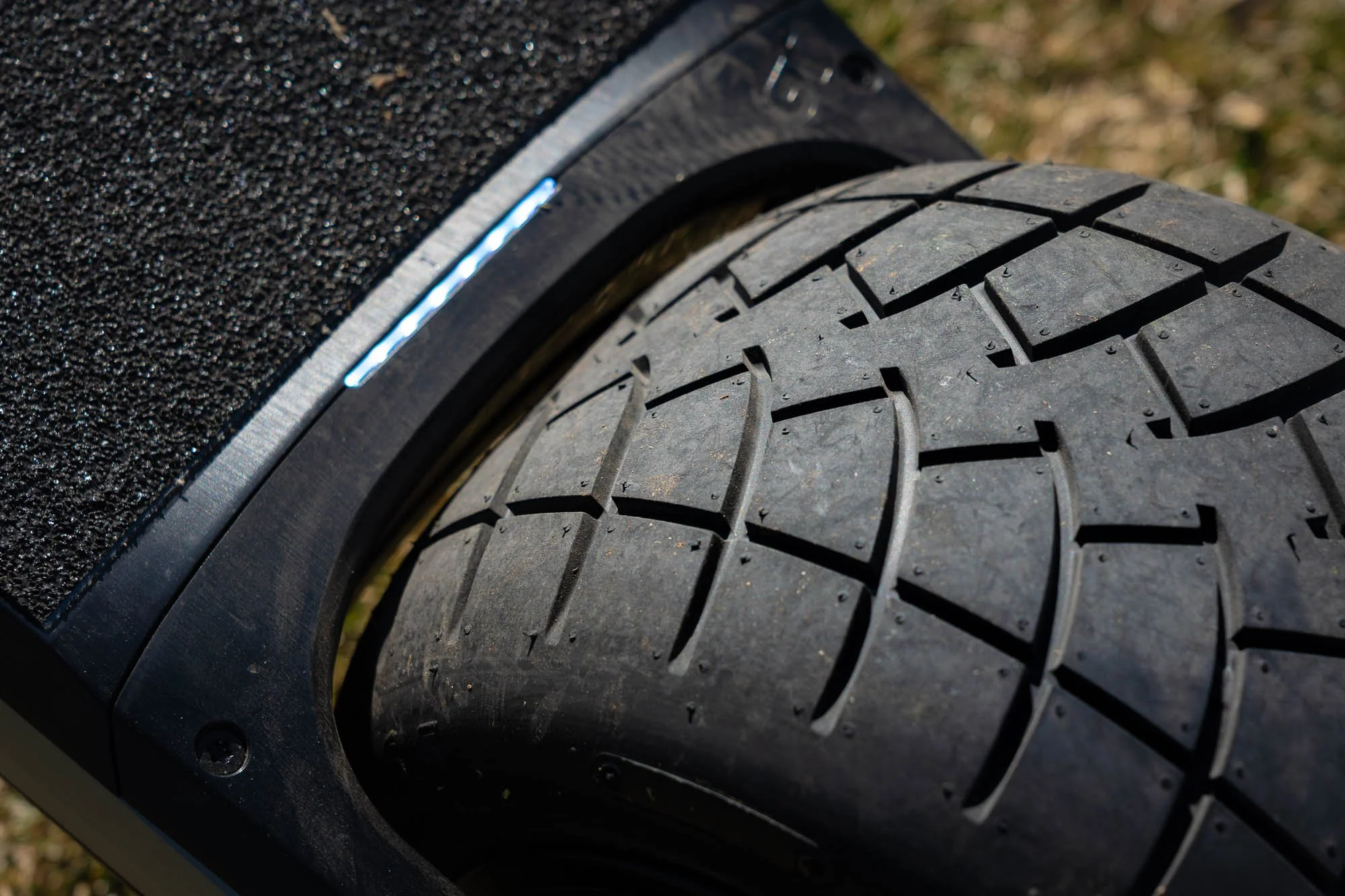
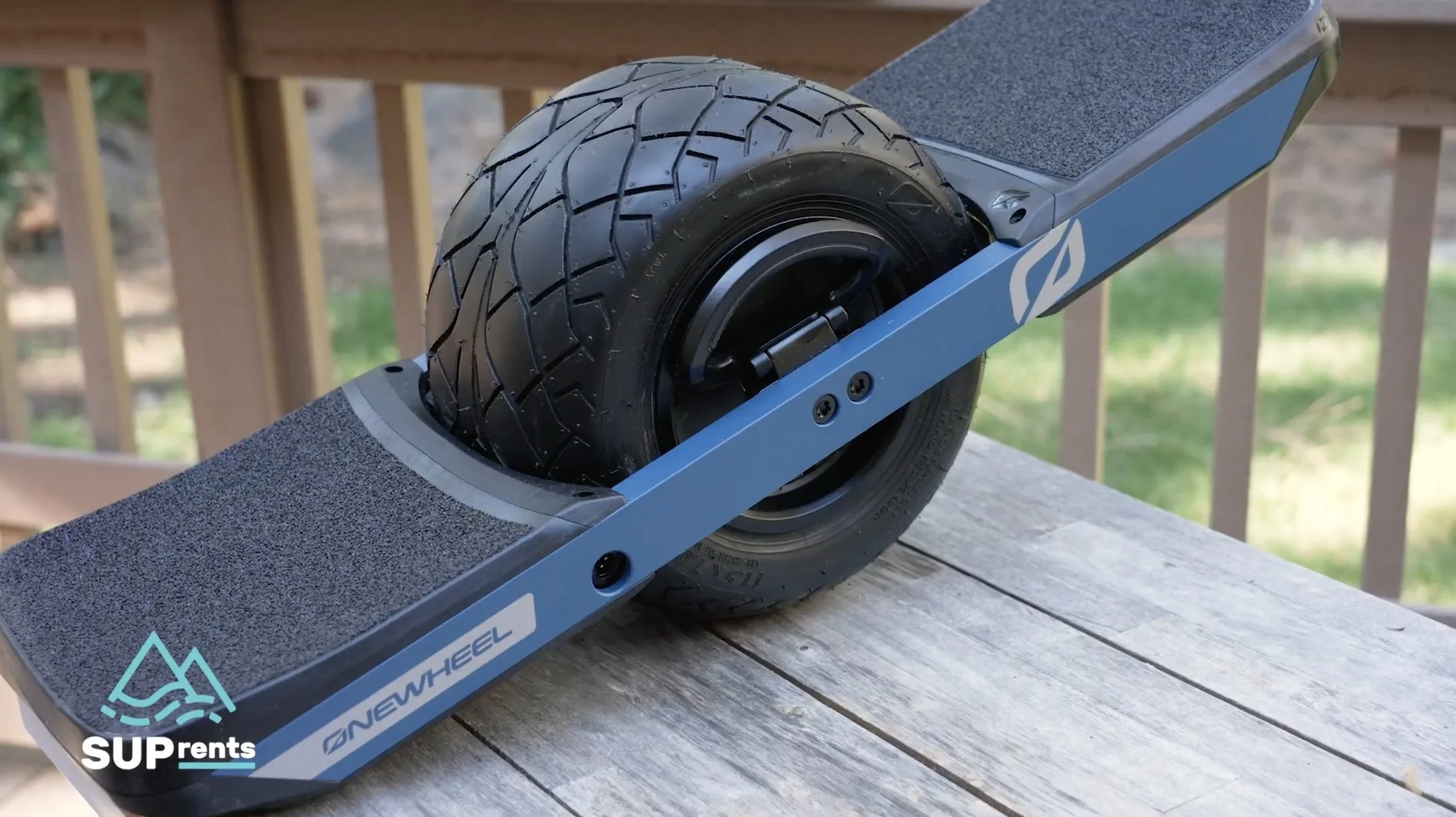
Onewheel GT with Performance Treaded tire
Footpads: Lowboy vs. Concave
Another difference worth considering is the footpad design.
The XR Classic comes with Lowboy footpads, which have a lower-profile shape and a less aggressive feel.
The GT uses more pronounced concave footpads.
Some riders appreciate the GT's concave design because it helps them feel connected to the board, especially while carving.
Others find a less aggressive footpad more comfortable, particularly on longer rides.
Foot comfort is personal. Your shoe size, stance, and riding style can all affect what feels best.
If you've never ridden either board, I wouldn't make the entire decision based on footpads alone.
But it's absolutely something worth considering.
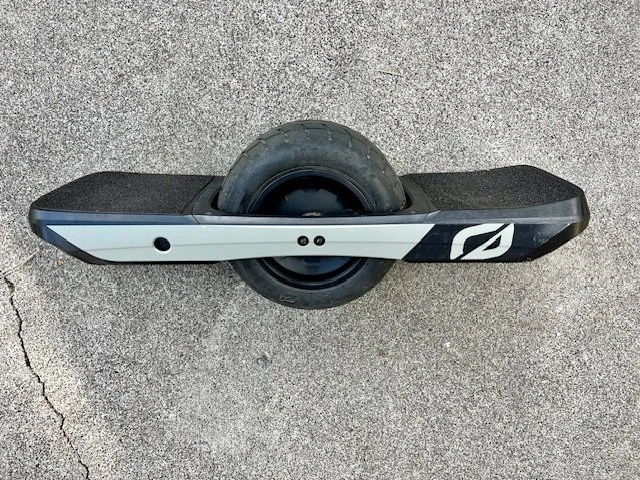
XR Classic Straight Rails vs. Recurve Rails
Here's something the XR Classic offers that the standard GT doesn't: a choice between Straight Rails and Recurve Rails.
Straight Rails are a great all-around option. They offer the familiar XR-inspired shape and make sense for cruising, carving, and general riding.
Recurve Rails have a different geometry designed to provide more leverage and additional clearance in certain situations, especially on technical terrain.
If you're mostly riding pavement, bike paths, and smoother trails, stick with Straight Rails.
If you're planning to spend a lot of time riding more challenging trails with rocks, roots, and uneven terrain, Recurve Rails are worth the upgrade.

XR Classic with Recurve Rails
Which One Is Better for Trails?
This is a closer comparison than you might expect.
Both boards are capable off-road machines, and neither is limited to pavement.
The XR Classic's 6-inch Performance Treaded tire, lower profile, and lighter weight make it an appealing choice for riders who enjoy a mixture of pavement and dirt.
The GT offers a larger battery, a substantial platform, and plenty of range for extended trail rides.
If your idea of trail riding is exploring dirt roads, forest trails, and moderate terrain, I'd be comfortable recommending either board.
If you prioritize maneuverability and a lighter feel, I'd lean toward the XR Classic.
If you want to cover as much ground as possible without recharging, the GT has the advantage.
For riders looking for substantially more speed and high-performance trail capability, it's also worth looking at the GT S-Series.
What About Beginners?
You don't have to be an experienced Onewheel rider to enjoy either of these boards.
In fact, I think both are great options to learn to ride on and both are worth considering for someone who wants to buy their first Onewheel.
Start slowly, wear a helmet and appropriate protective gear, learn how pushback and board limitations work, and give yourself plenty of time to get comfortable.
Is the GT Worth the Extra Money?
This is where the decision gets interesting.
Depending on current pricing and configuration, the XR Classic and GT can be surprisingly close in price.
And that makes the decision less about which board costs more and more about what you're actually getting.
With the GT, you're primarily gaining additional range, a larger platform, and a different riding feel.
With the XR Classic, you're getting a lighter, lower-profile board with a 6-inch Performance Treaded tire and the option of Straight or Recurve Rails.
If you don't need the extra range, there's a strong argument for choosing the XR Classic.
But if longer rides are a big part of why you're buying a Onewheel, the GT's additional battery capacity could easily be worth it.
Don't forget that you can also save money by considering an Open-Box or lightly Used board.
At SUPrents, we regularly have Open-Box and Used Onewheels available, and those can be a great way to get more board for your money.
So, Which Onewheel Would I Buy?
If I were choosing between these two boards for a mix of pavement, bike paths, neighborhood cruising, and occasional trails, I'd buy the XR Classic.
I prefer the lighter board, the lower riding position, and the 6-inch tire setup. And for most of the riding I personally enjoy, I don't need the additonal range.
But that's my preference, not a universal recommendation.
If I regularly went on long rides or wanted as much battery capacity as possible, I'd choose the GT.
Here's the simple breakdown:
Buy the XR Classic if you:
Want a lighter, lower-profile Onewheel.
Prefer a comfortable, maneuverable ride.
Ride a combination of pavement and trails.
Like the 6-inch Performance Treaded tire.
Want the option of Straight or Recurve Rails.
Don't need the GT's additional range.
Buy the GT if you:
Want the most range of the two.
Regularly take longer rides.
Prefer a larger, more substantial platform.
Like the feel of the concave footpads.
Want the option of a factory Slick or Treaded tire.
Don't mind carrying a heavier board.
Still Not Sure Which Onewheel Is Right for You?
One of the nice things about buying a new Onewheel from SUPrents is that you don't have to make the decision without ever riding one.
We offer a 7-Day Demo option on new Onewheels, so you can get out and ride for a week before deciding whether to keep it. If you love it, it's yours. If not, you can send it back, and we'll refund your purchase price minus the demo fee. We even cover shipping both ways in the lower 48 states.
It's a great way to find out whether a particular board is right for you without having to commit to keeping it.
Buy Your Onewheel from SUPrents
We've been an authorized Onewheel dealer since 2017, and I personally help customers figure out which board is right for them.
Whether you're interested in a new XR Classic, a GT, or a discounted Open-Box or Used board, I'm happy to answer questions and help you compare your options.
When you shop with SUPrents, you get:
Free shipping in the lower 48 states.
No sales tax collected on orders shipped outside Washington State. Customers may have tax obligations in their own state.
Discounted Open-Box and Used Onewheels.
Personal help from me, the owner.
Ready to find your next Onewheel?
→ Shop Open-Box & Used Onewheels
Or feel free to reach out with any questions. I'm always happy to help!
— Eric, SUPrents